
As we age, our skin undergoes significant changes, becoming more fragile and susceptible to various conditions, including skin cancer. Elderly individuals, in particular, face an increased risk of developing skin cancer due to the cumulative effects of sun exposure over their lifetime. At SunCheck, we understand the importance of regular skin checks for the elderly and how early detection can lead to successful treatment outcomes.
Why Are Elderly People More at Risk?
The risk of developing skin cancer rises with age, and elderly individuals are more likely to have been exposed to harmful UV radiation over decades. Prolonged sun exposure without adequate protection can result in damage that increases the likelihood of skin cancers like basal cell carcinoma (BCC), squamous cell carcinoma (SCC), and melanoma.
In addition, elderly skin tends to be thinner and less resilient, making it more vulnerable to damage and slower to heal. Conditions such as solar keratosis, which are precancerous lesions, are more common in older adults and can develop into skin cancer if left untreated.
Why Regular Skin Checks Are Vital for the Elderly
Early detection is key when it comes to managing skin cancer. Regular skin checks are essential in identifying suspicious lesions before they progress to more advanced stages. Elderly individuals, particularly those with a history of sun exposure or previous skin cancer, should undergo routine skin assessments to monitor for any changes in their skin.
Many elderly patients may also experience mobility issues or difficulties with self-examination, making professional skin checks even more crucial. At SunCheck, we ensure that every inch of your skin is thoroughly examined, including areas that are difficult to check on your own, such as the back and scalp.
What Happens During a Skin Check?
During a skin check at SunCheck, our specialists will carefully inspect your skin for any signs of cancerous or precancerous changes. We focus on identifying:
- New lesions or moles that weren’t there before.
- Changes in existing moles, such as changes in size, shape, or colour.
- Rough or scaly patches that could be signs of actinic keratosis or early SCC.
- Sores that don’t heal or are recurrently bleeding, which can indicate BCC or SCC.
If a suspicious spot is identified, we may recommend photographic monitoring to track changes over time or conduct a biopsy to determine whether the lesion is cancerous.
Common Skin Cancers in the Elderly
The three most common types of skin cancer that affect the elderly include:
- Basal Cell Carcinoma (BCC): The most common type of skin cancer, often appearing as a pearly bump or flat lesion. While BCC rarely spreads, it can cause significant tissue damage if not treated early.
- Squamous Cell Carcinoma (SCC): This cancer often appears as a red nodule or rough, scaly patch. SCC can spread to other parts of the body, making early detection critical.
- Melanoma: Although less common, melanoma is the most dangerous form of skin cancer and can spread quickly. It often appears as a new or changing mole and requires immediate attention.
How Often Should Elderly Individuals Get Skin Checks?
Elderly individuals, especially those with a history of skin cancer or significant sun exposure, should have a skin check at least once a year. More frequent checks may be recommended based on individual risk factors. At SunCheck, we tailor our skin check recommendations to your unique needs and risk profile.
Prevention and Self-Monitoring
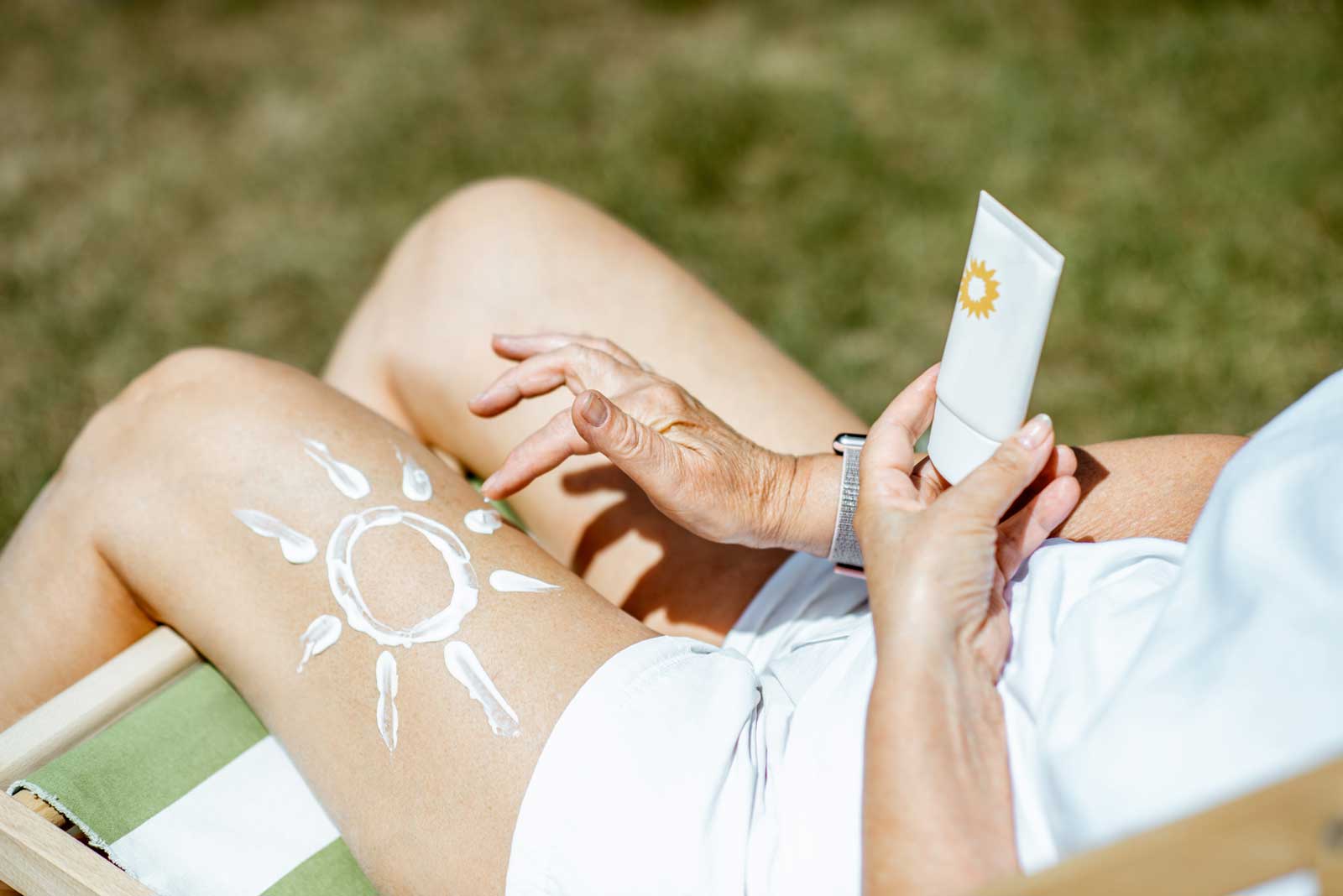
In addition to professional skin checks, elderly individuals should also practice self-monitoring at home. This includes examining the skin regularly for any new or changing spots. If mobility or vision is an issue, caregivers or family members can assist in checking hard-to-reach areas. It’s also important to continue wearing sunscreen, even in later life, as UV protection remains a key preventative measure.
Conclusion
As the elderly population grows, so does the importance of regular skin checks in detecting skin cancer early. At SunCheck, we offer comprehensive, compassionate care to ensure the well-being of our elderly patients. Whether you’re scheduling your first check or following up on a previous examination, we’re here to help.
Book a skin check today and stay proactive about your skin health. Early detection can save lives.